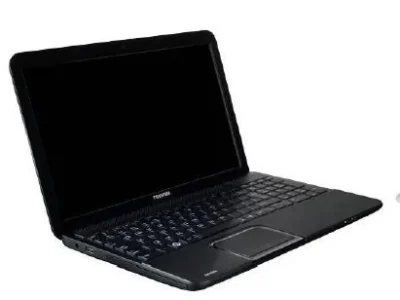
A doctor or pharmacist does not need a laptop with high specifications, but a light and reliable machine that runs smoothly with electronic medical records (EMR) programs, medical references in PDF format, and everyday administrative work. In this guide we present 3 real options that are actually available, with their exact prices.
What does a doctor or pharmacist actually need?
Most uses in this category depend on the browser and simple office programs (recording patient data, reading PDF reports, email), so there is no need for a powerful processor or a dedicated graphics card. What matters most is light weight for easy carrying between clinics or during medical rounds, good battery life, and enough RAM to run more than one program at the same time.
Budget tier: Dell Latitude E6530 (around EGP 4,000)
A budget option suitable for basic administrative use and recording patient data.
- Processor: Core i5 (3rd generation)
- RAM: 4 GB
- Storage: 500 GB HDD
- Graphics card: Intel HD Graphics 4000 (integrated)
- Display: 15.6-inch
See the Dell Latitude E6530 details and current price.
Mid-range tier: Dell Latitude E6430 i5-3320M (around EGP 5,000)
Double the RAM (8 GB) compared with the budget tier, which allows running an EMR program, a browser and PDF references together without noticeable slowness.
- Processor: Core i5-3320M (3rd generation)
- RAM: 8 GB
- Storage: 500 GB HDD
- Graphics card: Intel HD 4000 (integrated)
- Display: 14.1-inch
See the Dell Latitude E6430 i5-3320M details and current price.
Best for those who need a lighter machine and a longer battery: Dell Latitude 5590 (around EGP 9,500)
The 8th generation U-type (low power consumption) processor provides noticeably longer battery life compared with processors of older generations, which is important for those who move a lot between clinics or medical rounds without a charger nearby. SSD storage makes booting the machine and opening programs much faster.
- Processor: Core i5-8350U (8th generation)
- RAM: 8 GB
- Storage: 256 GB SSD
- Graphics card: Intel UHD 620 (integrated)
- Display: 15.6-inch
See the Dell Latitude 5590 details and current price.
Buying tip: battery and weight matter more than processor power
If you move a lot between workplaces, prefer U-type (low power consumption) processors of the 8th generation and newer even if the machine’s RAM is slightly lower, because battery life and light weight make more of a difference in actual everyday use than raw processor power.
Frequently asked questions
Does a doctor need a laptop with high specifications?
Mostly no. Electronic medical records programs and medical references in PDF format do not need a powerful processor or a dedicated graphics card, and the priority goes to light weight and battery life.
Why are 8th generation U processors better for those who move a lot?
U-type (low power consumption) processors in the 8th generation and newer provide noticeably longer battery life compared with processors of older generations, which is important for those who move between clinics or medical rounds without a charger nearby.
Is 4 GB of RAM enough for EMR programs?
It is enough for one program only. With a browser open alongside an EMR program and PDF references, 8 GB is preferred to avoid slowness.
Does an SSD really make a difference for a doctor on the move?
Yes, especially in the speed of booting and opening programs between patients, and it is more resistant to shocks than a traditional HDD hard drive during frequent moving.