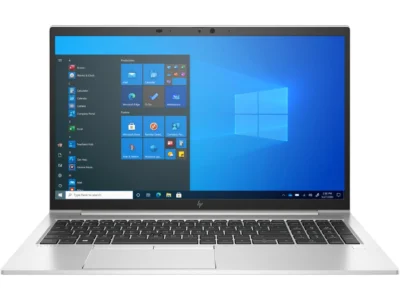
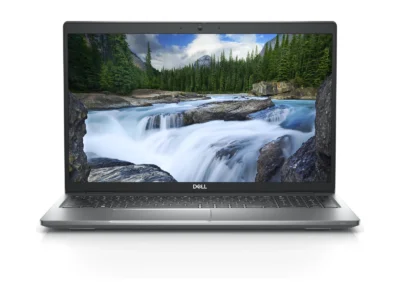
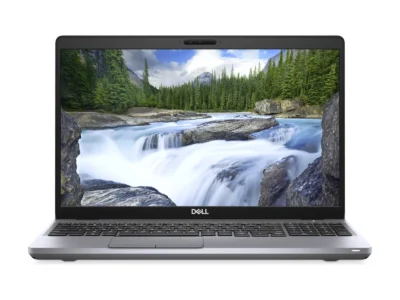
The direct answer: “Business Class” in the laptop world means a product line designed specifically for enterprise and professional use, with higher standards of durability, build quality, security, and ease of maintenance, compared to the regular consumer lines aimed at the home user. Examples of these lines: Dell Latitude, HP EliteBook/ProBook, and Lenovo ThinkPad.
What actually sets Business Class devices apart?
| Feature | Business Class | Regular consumer line |
|---|---|---|
| Chassis durability | Usually metal or reinforced, passes military tests (MIL-STD) in many models | Usually light plastic, less resistant to shocks |
| Security | Includes a TPM chip for data encryption, and sometimes a fingerprint reader or IR camera | Rarely includes advanced security features |
| Serviceability | A design that makes it easier to open and replace the RAM/storage/battery | Usually sealed or hard to service yourself |
| Enterprise connectivity support | Usually supports docking stations for office work | Limited or no support for this technology |
| Lifespan of technical support and spare parts | Usually longer because of long-term enterprise use | Relatively shorter |
Is it worth paying a higher price?
For those who use the device in a long daily work environment, or need durability that withstands constant travel, or care about data security, Business Class devices offer real value that usually justifies their price. For light occasional use (browsing, watching videos), the extra features may not be necessary.
A practical example: a device like the Dell Latitude 5440 represents this line perfectly — a modern processor, a durable chassis, and enterprise security features, which makes it a popular choice for office and company employees.
How do you tell the lines apart when buying?
See our dedicated guides for each brand to understand the difference between its lines: the Dell guide (Latitude line versus Precision), the HP guide (EliteBook/ProBook line), and the Lenovo ThinkPad guide.
What is the difference between Dell Latitude and Dell Inspiron?
Latitude is the business class line with higher durability and security specs, while Inspiron is a consumer line aimed at home and general use, usually at a lower price.
Is the TPM chip actually important?
Yes for those who care about data security, because it is used to encrypt files and protect login data at the hardware level, and it is also required for some security features in modern operating systems.
Are Business Class devices heavier than consumer devices?
Not necessarily. Many modern business devices are designed to be light and portable despite their durable chassis, because companies need devices that are easy to carry to meetings and on trips.
Is the docking station feature worth caring about?
Very useful for those who work from a fixed desk and want to switch quickly between large displays and an external keyboard and mouse without connecting every cable by hand each time.