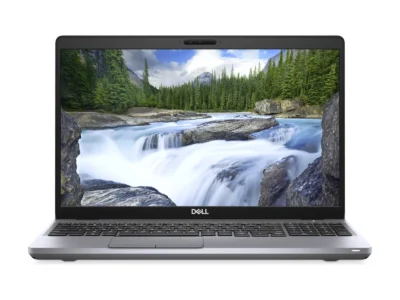
The direct answer: An integrated graphics card (Integrated GPU) shares the RAM with the processor and is enough for normal use (browsing, office work, video), while a dedicated graphics card (Dedicated GPU) has its own graphics memory (VRAM) and delivers much higher performance in design, rendering and heavy games.
The difference in detail
| Criterion | Integrated card (Integrated) | Dedicated card (Dedicated) |
|---|---|---|
| Memory | Shares the general system RAM | Its own separate VRAM |
| Performance | Enough for normal tasks and video | Much higher in design, rendering and games |
| Power consumption | Lower, longer battery life | Higher, reduces battery life under heavy use |
| Heat and weight | Less heat, usually a lighter device | More heat, may need extra cooling and more weight |
| Price | Usually cheaper | Usually more expensive because of the extra hardware |
Do you really need a dedicated graphics card?
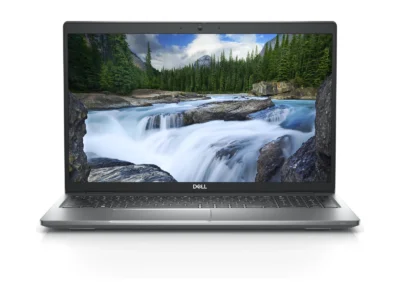
If your use is limited to browsing, office programs, watching video and online learning, an integrated card (such as the Intel Iris Xe or UHD found in a device like the Dell Latitude 5440) is fully enough and saves you an unnecessary extra cost.
But if your work includes 3D engineering design, professional video editing or modern games, you really do need a dedicated graphics card. See our complete guide to the best laptop with a dedicated graphics card to view our available options, and our guide to the difference between Quadro and GeForce if you are undecided between the professional and consumer types of dedicated cards.
Can both types be combined in the same device?
Yes, many professional work machines (Workstations) have both types together: an integrated card for light tasks (to save battery) and a dedicated card that works automatically when heavy programs are run, which is known as “automatic switching between cards” technology (Optimus or similar).
Is an integrated card enough for watching 4K videos?
Yes, in most cases. Most modern integrated graphics cards (such as Intel Iris Xe) can play 4K video smoothly, because that does not require high graphics processing power compared with design or games.
Does a dedicated card always mean worse battery life?
In general yes, when the dedicated card is used heavily, but modern devices use smart switching technologies that rely on the integrated card for light tasks and activate the dedicated card only when needed, which eases the extra battery consumption.
How do I know whether my device has a dedicated card or only an integrated one?
Open ‘Device Manager’ in Windows and look for the ‘Display adapters’ section. If you see two names (such as Intel + NVIDIA/AMD), your device has both types.
Is it worth paying the price difference for a dedicated card if I am not sure I need it?
If you are not sure, start by assessing your actual use first. For general use, saving on the price with an integrated card is the smarter financial decision, and you can always upgrade to a device with a dedicated card later when you actually need it.